Landing page development for one offer and one measurable action
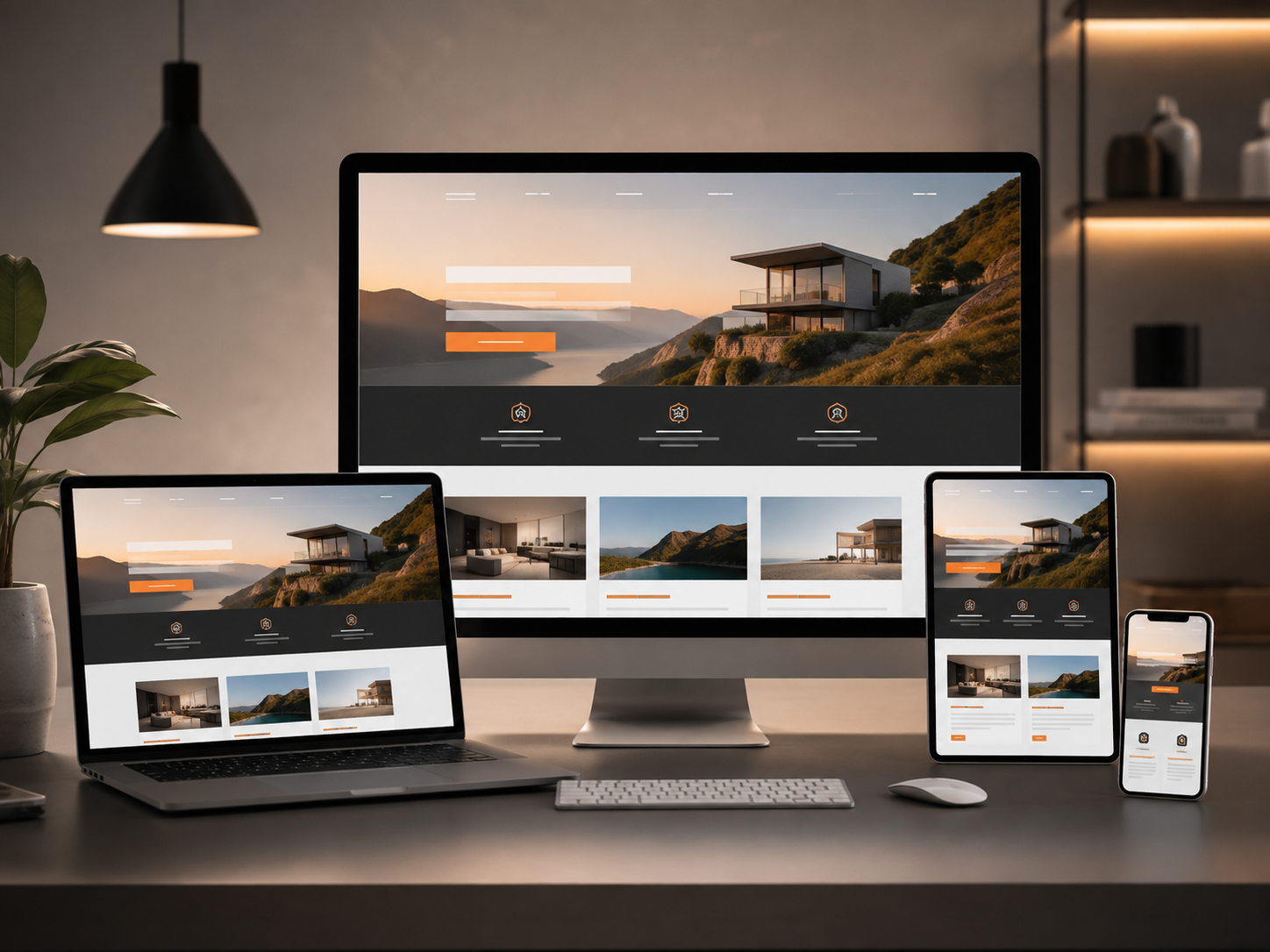
We do not assemble pages from ready-made templates. First we check the offer, audience, traffic source and the process after an enquiry. Then we create a custom structure, design and code so people can understand the value and take the next step.
Companies and partners we have worked with







A custom landing page starts with the offer, not a template choice
Structure depends on who arrives on the page, what they already know, which doubts block the decision and which action makes sense for the business. Only then do we design content, interface, form and custom code.
How we make decisionsA template speeds assembly, but does not explain why the client should choose you
A ready-made composition forces the same logic onto different offers. Key arguments get lost, evidence appears too late and the CTA does not match audience readiness. That is why we design the solution first, then write the code.
Six elements of a landing page built for the business task
We include only what is needed for the specific offer, audience and next action.

Business goal and primary action
We define which change the page should support: enquiry, booking, registration, purchase or a request for a conversation.

Offer and audience
We clarify value, terms, segment, entry context, main doubts and reasons people do not take action.

Structure and content
We build the sequence of arguments, evidence, answers and CTAs around the real decision path.

Custom UX/UI design
We design the interface for the brand and the specific scenario — without adapting a layout from a previous project.

Custom code and technical foundation
We build the page without a ready-made theme or page builder, accounting for speed, accessibility, indexability, metadata and further growth.

Form, analytics and QA
We check fields, consents, notifications, events, responsiveness and post-action states before the page goes live.
We own page logic and delivery quality — not a count of blocks
A new landing page makes sense only when the offer is clear, the action matches audience readiness and the business can handle the result.
We do not use ready-made templates
Structure, design and code are created for the specific offer, brand and customer path.
We check whether a landing page is needed
If the task needs several services, a catalogue or complex navigation, we recommend a different website format.

We design first, then develop
Code starts after we agree the page role, structure, content and main scenarios.


Content is built on facts
We do not fill design with generic promises. We use confirmed terms, evidence and real constraints.
The form is part of the process
We agree not only fields, but also data handoff, notifications, confirmation and ownership of follow-up.
We measure actions without false promises
We track available events and enquiry quality, but we do not guarantee conversion or sales.

SEO and AI readiness are built in
We use semantic HTML, accessible content, metadata, logical links and verifiable facts.
Code and access stay with the client
We hand over agreed materials, accounts, documentation and rules for further page development.
Before development we fix the offer, structure and launch criteria
Decisions should not depend on taste alone. Before design and code both sides understand what is being built, why it is needed and how it will be checked.
Offer and action map
We fix the audience, value, terms, main questions, evidence, CTA and the next process.
Prototype and content logic
We agree section order, information priority and key messages before visual design.
Technical acceptance criteria
We define requirements for responsiveness, the form, speed, analytics, SEO, accessibility and project handover.
A landing page fits when the page has one clear priority
The format is defined by the offer, traffic source, audience readiness and action after the visit — not by industry alone.

B2B service
Explains a complex offer, capabilities and evidence, then leads to a substantive enquiry or conversation.

Local service
Shows the service, terms, service area and trust signals, helping people move to a call or booking.

Advertising campaign
Continues a specific ad message and keeps the link between the ad, offer and target action.

Event
Explains the programme, format, participants and terms, then leads to registration or ticket purchase.

Product launch
Presents a new offer, explains its value and collects early demand or enquiries.

Content for a contact
Shows the practical value of a material and exchanges it for a deliberate subscription or contact.

Real estate
Presents a specific property or offer and leads to a consultation, viewing or request for details.
What the business gets after landing page development
The result is not only a published page — it is an agreed system of message, action and measurement.
A custom page for the offer
Structure and design reflect the specific offer, brand and audience context — not the limits of a ready-made template.
A custom technical foundation
The business gets code prepared for speed, indexability, accessibility, analytics and further growth.
A clear path to action
Content, evidence, CTA and form form a sequence that matches visitor readiness.
Control after launch
The client gets access, documentation, analytics events and a base for checking the next changes.
Clear rules for custom development
Before start we agree materials, ownership, project scope and change boundaries.
The business confirms materials and facts
The client approves terms, prices, features, reviews, image rights and legally significant wording.
Content and approvals are fixed
We define in advance who prepares texts, translations, photos and expert comments.
Integrations have separate boundaries
CRM, payments, email and external services are connected after checking documentation, access and ownership.
New requirements are not added automatically
Material changes to offer, structure or functionality after agreement go through a separate assessment.
How landing page development starts
Five steps from checking the business task to a page you can launch, measure and improve.
01
Check the task and format
We clarify the offer, audience, traffic source, expected action and whether a landing page is the right format.
02
Design the offer and path
We define value, evidence, objections, CTA, form and the process after an enquiry.
03
Create structure and content
We prepare a prototype, argument sequence and texts based on confirmed facts.
04
Develop design and code
We create a custom interface and technical implementation without a ready-made template or page builder.
05
Check, launch and measure
We run QA, configure agreed events, hand over access and define the next change cycle.
When one landing page is not enough
If a visitor needs to choose between several services, products or scenarios, the business may need a broader structure.
Corporate website
For several services, audiences, industries and a longer decision process.
Corporate website developmentOnline store
For catalogue, filters, product pages, stock, payment and checkout.
Online store developmentWeb system
For user roles, data, documents, accounts and working processes.
Web system developmentAll website formats
To choose between a landing page, corporate website, store and system.
Compare formatsFirst we will check whether the business needs a landing page
Describe the offer, audience, traffic source and required action. We will verify the format and propose a minimum sufficient structure — without extra pages or template solutions.
Questions about landing page development
What is a landing page and when does it fit?
A landing page is a focused page for one offer, a defined audience and one priority action. It fits when the customer path can be explained in sequence without a catalogue or complex navigation.
How does a custom landing page differ from a template one?
We do not pick a ready-made theme and force the offer into it. First we design the offer, structure, content and scenarios, then create custom design and code for the agreed task.
Do you use page builders and ready-made templates?
No. The main interface and front-end are developed custom. If the business needs a CMS, it is connected as a content management system — it does not dictate the design and page structure.
What does preparation for SEO, AIO, GEO and LLMO mean?
The code creates a technical foundation: semantic HTML, accessible text, metadata, speed, structured data and indexable links. AI visibility also depends on content quality, fact consistency, entities and evidence. This is not a guarantee of AI citations.
Do texts, the form and analytics come included?
Scope is fixed before start. We can prepare structure and texts, build the form and configure agreed events. Company facts, legal wording and rights to materials are confirmed by the client.
Do you guarantee conversion or the number of enquiries?
No. Results depend on demand, offer, price, traffic, trust and how quickly enquiries are handled. We own page logic, delivery quality, correct measurement and clear boundaries of responsibility.